News & Resources

Stay informed with the latest insights and advice on health, fitness, and wellbeing tailored for our community. 
Image

Featured News

Managing Asthma with Exercise and Respiratory Techniques

Managing Asthma with Exercise and Respiratory Techniques
Living with asthma can present challenges in managing everyday activities, especially those that involve physical exertion.

However, embracing a well-structured exercise routine and adopting specific respiratory techniques can significantly improve lung capacity and overall respiratory health for individuals with asthma.

In this blog, we will explore the numerous benefits of exercise for asthmatics, delve into effective breathing techniques, and suggest lifestyle adjustments to help you breathe easier and lead a more active, fulfilling life.

1

Understanding Asthma and Exercise Compatibility

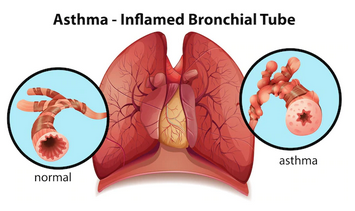
Asthma is a chronic respiratory condition characterized by inflammation and narrowing of the airways, leading to symptoms like coughing, wheezing, and shortness of breath.

While exercise-induced bronchoconstriction (EIB) is common in individuals with asthma, it is manageable with appropriate strategies, including pre-exercise bronchodilator use and warm-up exercises (World Allergy Organization Journal, 2016).
02

The Power of Regular Exercise for Asthmatics

Research indicates that regular exercise can have a positive impact on lung function and asthma control.

A meta-analysis published in the Journal of Asthma (2017) highlights that physical activity can improve lung function, asthma symptoms, and overall quality of life in asthmatic individuals.
3

Tailoring Your Exercise Routine: Best and Worst Activities for Asthma

Some high-intensity activities can trigger asthma symptoms, but other activities like swimming and cycling are generally better tolerated and can provide significant cardiovascular benefits (Frontiers in Physiology, 2019).
Image
Image
4

Breathing Techniques for Asthma Control

Breathing techniques like pursed-lip breathing can effectively reduce dynamic hyperinflation, helping asthmatic individuals manage their breathing and avoid exacerbations during exercise (Archives of Physical Medicine and Rehabilitation, 2017).
5

Creating an Asthma-Friendly Workout Plan

A well-structured exercise program, tailored to an individual's asthma severity and triggers, can significantly reduce exercise-induced bronchoconstriction and improve asthma control (British Journal of Sports Medicine, 2018).
6

Precautions and Safety Measures during Exercise

Proper warm-up, choosing the right environment for exercise, and recognizing early signs of asthma symptoms during physical activity are essential for ensuring safety for asthmatic individuals (The Physician and Sportsmedicine, 2018).
7

Lifestyle Adjustments for Better Asthma Control

Managing indoor air quality, reducing exposure to allergens and irritants, can have a positive impact on asthma symptoms and overall respiratory health (Pediatrics, 2018).
In conclusion, exercising with asthma is not only possible but highly beneficial for respiratory health and overall well-being.

By incorporating suitable exercises, mastering breathing techniques, and making lifestyle adjustments, individuals with asthma can experience significant improvements in their lung capacity and lead a more active, fulfilling life.

Always remember to consult with a healthcare professional before starting any new exercise or asthma management plan.

With the right guidance and determination, breathing easier with asthma is within reach.